
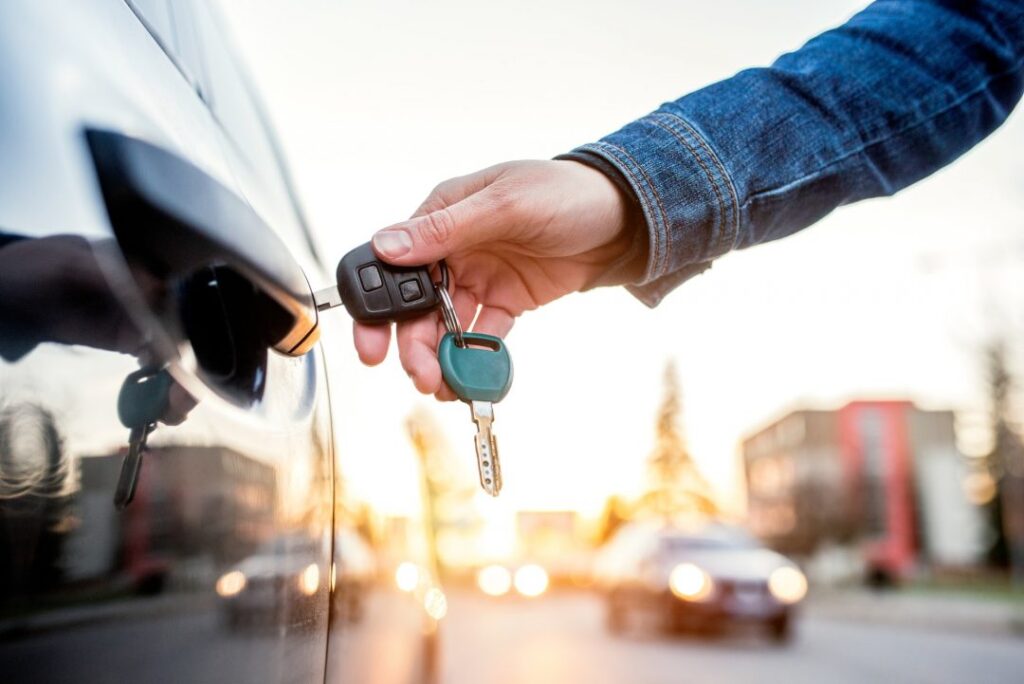
Car key duplication and car key programming are two separate processes with very different objectives. Duplication creates a copy of a previously present key, while programming links a transponder or smart key to the car computer. Main Line drivers, dealerships, and fleets require to know the difference to save money, time, and unnecessary trouble.
What is car key duplication?

Car key duplication is the process of creating a physical copy of an existing car key. It is most common with old cars that use traditional metal keys or basic keys devoid of chips. A locksmith uses precision-cutting tools in replicating the original key’s grooves to produce a replica that can start the car and unlock doors.
When duplication is feasible
Reproduction is only achievable if the vehicle has a straightforward key without exotic electronics. Some transponder keys can be replicated too if the chip can be replicated, but most of the newer vehicles require programming instead.
Duplication usually means:
- Older car models without immobilizers
- Affordable fleet cars with old-fashioned keys
- Functional keys that need spares
Tools used by locksmiths to duplicate
Specialized key-cutting devices operated by professional locksmiths replicate the pattern of the key and insert it into a blank key. There are manual machines available, but lasers and computers are used by newer locksmiths for greater accuracy.
Timeframe and cost
Duplicating a normal car key is quick, at times less than 15 minutes. It is also one of the least expensive locksmith services, especially compared to programming, which requires more advanced equipment.
Benefits of duplication
Fast turnaround for spare keys
Low cost compared to programming
Easy for families, drivers, or businesses who need extra copies
Advantageous for fleet managers with older vehicles
What is car key programming?
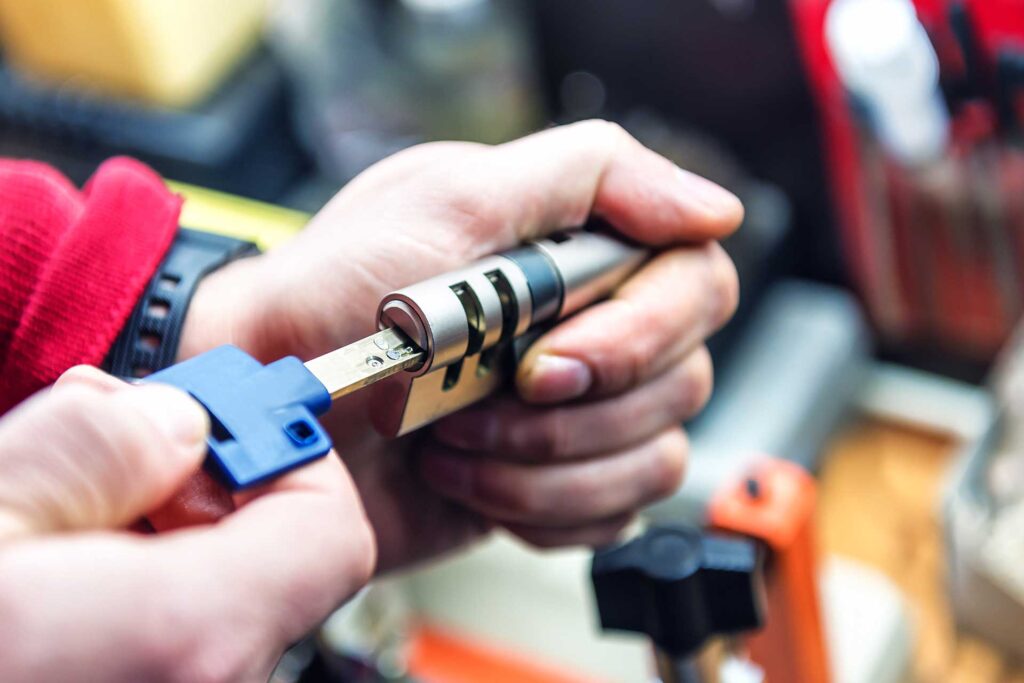
Car key programming consists of coordinating a transponder, chip, or smart key with the vehicle’s onboard computer. As opposed to duplication, which creates an exact replica, programming enables the new key to be identified and authenticated by the immobilizer system of the car to let it ignite it. In case it is not programmed, the key will unlock the doors but will not be able to ignite the car.
When programming is necessary
Programming is required for most vehicles manufactured after the late 1990s. The vehicles use transponder systems and advanced electronic keys to protect them against theft. Some examples of circumstances where programming is required include:
Replacing a lost or stolen key
Adding a new driver to a fleet or family vehicle
Purchasing a new remote or key fob
Converting to a spare key on new vehicles
How programming works
A locksmith connects diagnostic equipment to the vehicle’s onboard computer. The system is then programmed to accept the new fob or transponder. Some vehicles require security codes or PINs, while others can be programmed directly from the car’s system.
Locksmith vs dealership programming
Dealerships: Generally more expensive and time-consuming due to appointment settings.
Locksmiths: Offer mobile programming, often less costly and on-site convenience.
For Main Line dealers and fleet managers, locksmith services are convenient as several keys can be programmed at the same time.
Timeframe and cost
Programming takes typically 20–40 minutes, depending on the make and model of the vehicle. It is more expensive than duplication as it encompasses chip technology, security clearances, and specialized equipment.
Benefits of programming
It provides increased security against theft
Works with advanced cars and smart systems
Several programmed keys for fleet or shared use
Can be accomplished by an on-site mobile locksmith
Duplication versus programming: what do you require?
The choice between duplication and programming is a matter of the age of your car, the type of key that you utilize, and the situation that you are in. An older vehicle and old-type key require a plain duplicate, whereas newer cars with transponder or smart keys virtually always require programming.
Things to consider
Year and make of vehicle: Most cars made after late 1990s require programming.
Key type: Transponders and fobs must be programmed, while standard metal keys can be copied.
Availability of original key: Duplication requires an existing key but programming can create a new one from scratch.
Security requirements: Programming is more secure to prevent theft.
| Feature | Duplication | Programming |
|---|---|---|
| Key types | Traditional, some basic chip | Transponder, fob, smart keys |
| Requires original? | Yes | Not always |
| Timeframe | 10–15 minutes | 20–40 minutes |
| Cost | Low | Higher due to equipment & coding |
| Security level | Basic | Advanced theft protection |
| Best for | Older vehicles, spares | Modern cars, fleets, lost keys |
While copying is quick and affordable, it lacks the advanced theft protection of programming. For car owners who enjoy convenience as well as security, especially in newer vehicles, programming is the sole reliable choice.
It is important for drivers, dealers, and fleet managers along the Main Line to be aware of the difference between duplicating and programming automobile keys. Duplication is the cheapest and fastest method to duplicate conventional keys, whereas programming ensures newest-generation transponder and intelligent keys are securely coded to a motor vehicle’s system. The proper service saves time and money, as well as protects your investment.
Call us today for speedy and assured car key reproduction or programming in the Main Line.